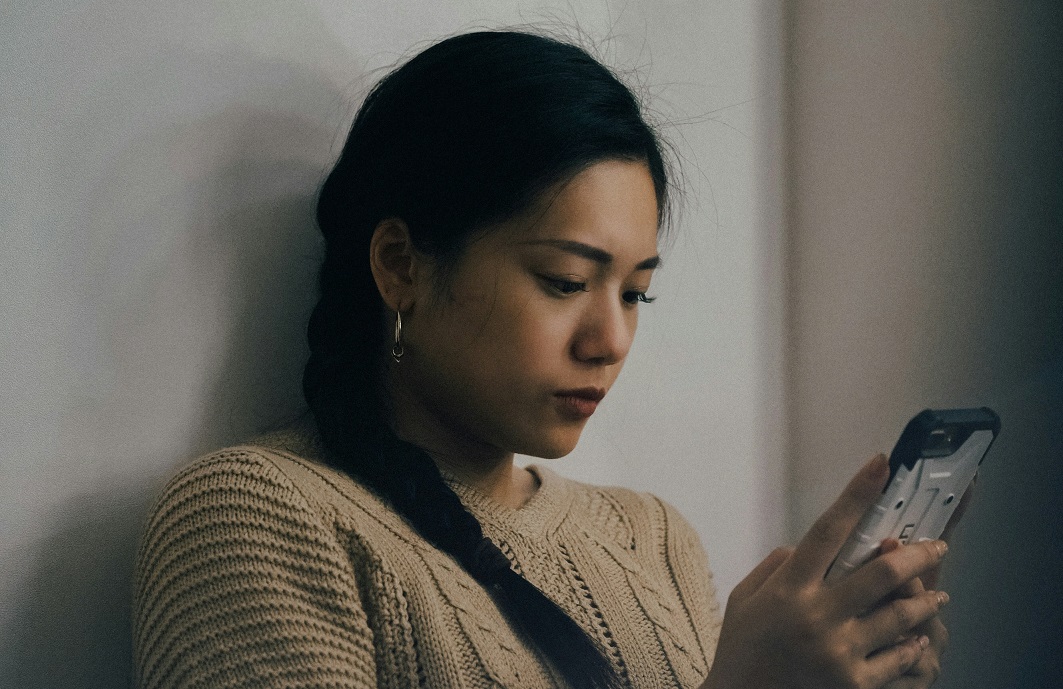
It is widely known that the rise of social media had a great impact on society as a whole but also influenced individual well-being to a great extent. Nowadays daily use of social media platforms are pretty much the standard for most people. Unfortunately, many notice negative effects of their use too. From lower self-esteem, to a shorter concentration span and overall phenomena such as a feeling of “wasting time” are hard to bear. In this blog post I will try to offer some ideas through which you can take control of your relationship with social media and decrease its negative impact on your mental wellbeing.
Positive Aspects of Social Media
There are certainly positive sides of social media that have helped to make various platforms so popular. Many individuals find that social media helps them to stay connected with a wider group of friends and family members. Easily digestible updates about their lives can make you feel included in what is going on in their lives.
Additionally, many are able to find support networks for even niche groups that are not accessible in person locally. Feeling like you are not by yourself in your interests or struggles helps us feel well.
Finally, social media improved accessibility to educational resources. Topics such as mental health are more openly spoken about and help to create even movements to improve awareness (Naslund, Bondre, Torus & Aschbrenner, 2020).
Negative Impact of Social Media
While there are several benefits that social media has brought with it, there are also a multitude of downsides. One widely talked-about downside of social media is the way it can promote an unhealthy comparison culture. Individuals tend to share successes more frequently than negative experiences, which can lead the individual to feel unsuccessful or less in a variety of ways.
Another aspect of social media that can have detrimental effects on an individual’s wellbeing is cyberbullying and other forms of harassment. Often specific individuals are being openly attached, shamed and ridiculed which can have wide spread effects on their mental health, that in some cases might even lead to suicide attempts.
On the other side there is the direct effect that social media apps can have on individuals’ well-being due to their addictive qualities (Andreassen, 2014). This can lead to severe issues with time management, due to spending too much time on social media and sleep issues when sleep is postponed or interrupted by using social media. Overall, studies have repeatedly shown that social media addiction can be linked to lowering well-being in several ways, including physical, psychological, relational and performance (Karim, Oyewande, Abdalla, Ehsanullah & Khan, 2020).
How to use Social Media in Alignment with your Mental Wellbeing
The question you might be asking now is how you can use social media in ways that it won’t affect you negatively, while gaining the benefits.
Cutting out social media completely is rarely a sustainable path for individuals. This means that we need to understand when and how long to use it. I often recommend using apps that help to set these boundaries with yourself. These apps often allow you to set a daily limit for certain apps, while also choosing times during which you cannot access them. Personally, I realised that having access to social media apps in the morning makes it difficult for me to start my days mindfully. Therefore I now only get access to them after several hours.
Another way to “reset” your brain from the constant stimulation of social media is to allow for times during which the apps are not accessible. You can for example choose an occasional week or weekend during which you delete the apps. After that time you have the choice if you want to continue this way, or want to re-install them.
What you see on social media affects you. Unfollowing and even blocking certain content creators allows you to only see things on your feet that won’t impact your mental health. You don’t have to see things that will make you compare your body unfavourably with others or question how much or what you are eating.
Finally, you might struggle to work on your relationship with social media by yourself. In these instances working with a mental well-being professional can help. I frequently work with clients who seek to improve their relationship with social media use, and thereby themselves. Contact me through my contact page and we can arrange a first get-to-know free call.
References
Andreassen, C. S. (2015). Online social network site addiction: A comprehensive review. Current addiction reports, 2(2), 175-184.
Karim, F., Oyewande, A. A., Abdalla, L. F., Ehsanullah, R. C., & Khan, S. (2020). Social
media use and its connection to mental health: a systematic review. Cureus, 12(6).Naslund, J.
A., Bondre, A., Torous, J., & Aschbrenner, K. A. (2020). Social media and mental
health: benefits, risks, and opportunities for research and practice. Journal of technology in behavioral science, 5, 245-257
Photo by Chris Yang on Unsplash
 Margaretha Madoures